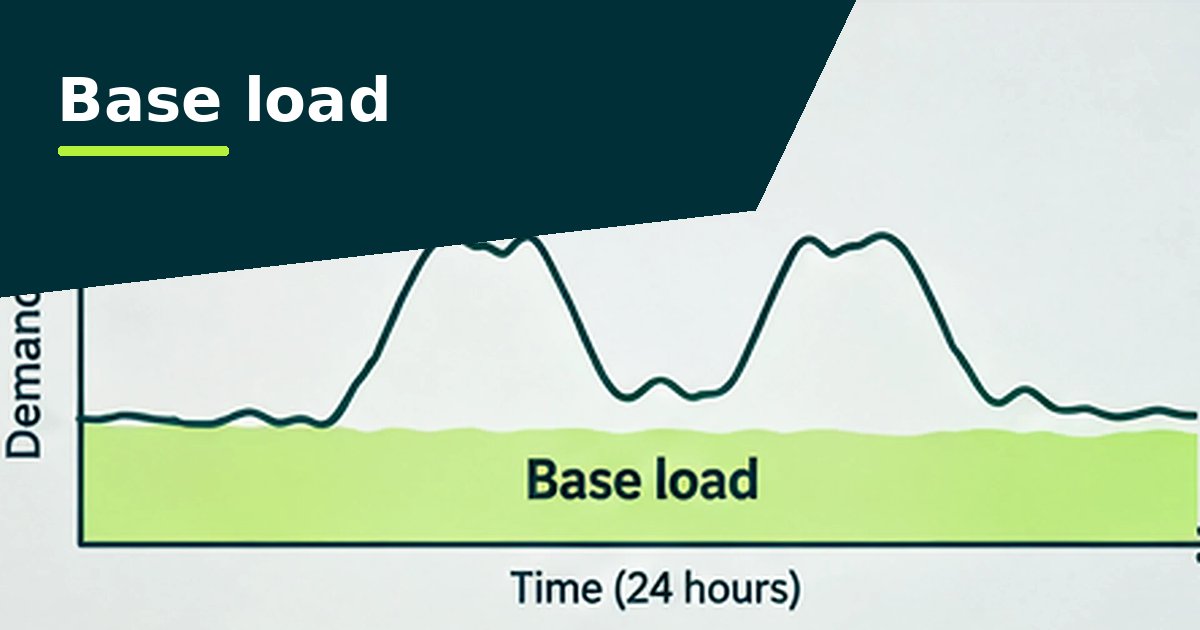
Out-of-hours use is electricity used while a building should be closed. To find it, compare each half hour with the opening hours and take away what always has to run (the base load). What's left is the closed-hours excess. It's usually the cheapest use to cut, because the fix is often a change to a timer or control setting.
What counts as out-of-hours
Any half hour outside opening hours counts: evenings, nights, weekends, bank holidays and closure periods. Some of this use is unavoidable. Servers, fridges, security systems and emergency lighting have to run all the time, and together they make up the base load.
The figure to focus on is the excess, meaning use while closed above the base load. The analyser calls this the closed-hours excess and ranks sites by it, so you can see which buildings to look at first.
How to find it
- Set the opening hours accurately. Every figure depends on them, so include bank holidays, closure weeks and any regular evening or weekend use.
- Look at the heatmap. It shows every half hour of the year on one chart. Opening hours appear as a dark band, and anything dark outside that band is out-of-hours use.
- Break it down by type of day. Weeknights, Saturdays, Sundays and bank holidays usually have different causes.
- Check the start and end of the day. If demand rises an hour or two before opening, or stays high after closing, timers or heating start-up settings are usually to blame.
What usually causes it
- Heating, ventilation and air conditioning running to the wrong schedule, or not set up for bank holidays
- Lights left on, or on timers that no longer match how the building is used
- A small evening or weekend booking that runs the whole building
- Equipment left on manual override after maintenance, then forgotten
- IT, catering and hot water equipment left on instead of being put on timers
How to cut it
Most fixes are changes to settings: building management system schedules, timers, holiday calendars and switch-off routines. Start with the biggest block of use, which is often weekends or a regular evening. Then check the half-hourly data a month later to see whether it worked. The analyser's before-and-after comparison is designed for this.
Who to involve
Fixes usually need two people working together: someone who can change the controls, such as your facilities team or building management system contractor, and someone who knows how the building is really used, such as a site manager or caretaker. Share the heatmap and the breakdown by type of day with both. It's much easier to agree a new schedule when everyone can see exactly when the building is using electricity.
Questions people ask
Is all out-of-hours use waste?
No. Some equipment has to run all the time. The part worth investigating is the excess, meaning use while closed above the base load.
Why do opening hours matter so much?
They decide which half hours count as closed. If a building is used on Saturdays but the calendar says it's closed, Saturday use shows up as out-of-hours. Confirm the hours before acting on the figures.
How quickly can I see whether a change worked?
Within a few weeks. Compare the same days before and after the change using the analyser's before-and-after view.