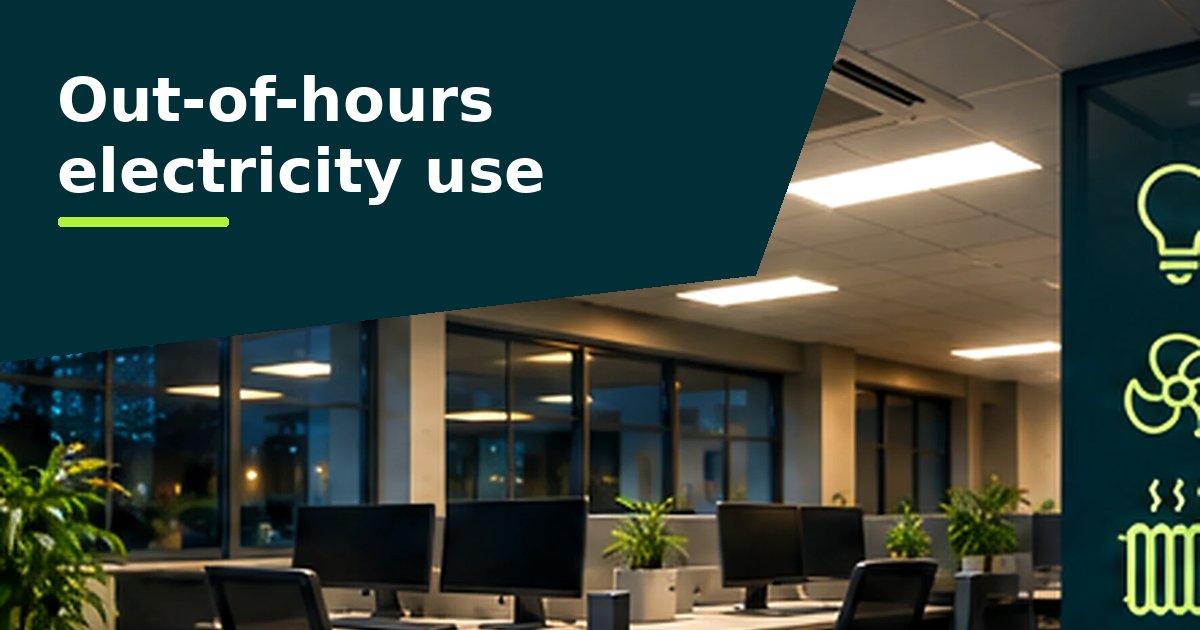
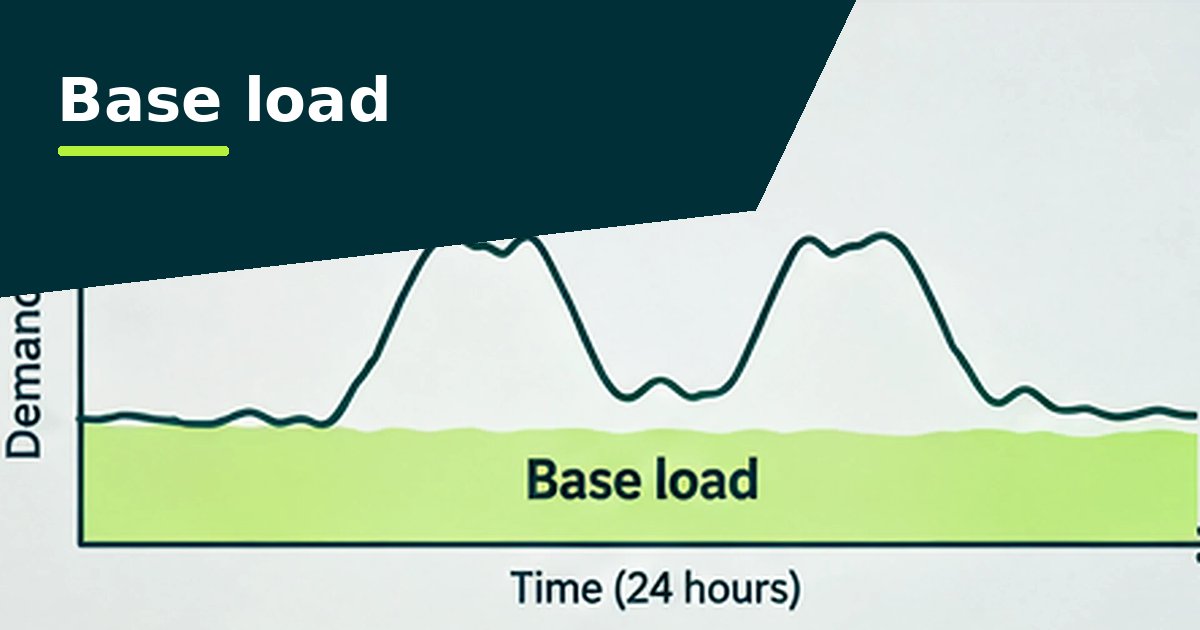
Expect continuous use with a rise during the day. Clinics, surgeries and offices on the same estate keep office hours and should be treated like offices.

What to check first
- Night-time use in non-clinical areas that is close to daytime use
- Weekend use in outpatient and administrative buildings
- Peaks already close to supply capacity, before electric heating or EV charging is added
- Steps up in base load after new equipment or a refurbishment
- Sub-meters for different buildings or wings, if you have them
Setting the opening hours
Set 24-hour buildings as always open, so the analysis focuses on base load, peaks and changes over time. Give clinics and offices their actual opening hours.
Use these as a starting point. Each site is compared with its own calendar, so getting the hours right matters more than the type of building.
How does your building compare?
To see whether a site's total use is high for its type, compare its kWh per square metre with the government survey ranges in our electricity benchmarks by sector. Then use the half-hourly pattern to find out why. Questions about the analyser itself are answered in the FAQ.
Thinking about solar panels? The analyser's Capacity tab shows how much of a system's output a building like this would use itself, and the UK Solar Calculator works out the cost and payback. See sizing solar from half-hourly data.
Questions people ask
Can out-of-hours analysis work for a hospital?
For the main 24-hour building, compare day with night and track the base load instead. For clinics and offices on the estate, out-of-hours analysis works as it does for any office.
Why does supply capacity matter so much in healthcare?
Replacing gas heating with heat pumps adds a large electrical load in winter. Check how close your winter peaks already come to the agreed capacity first.