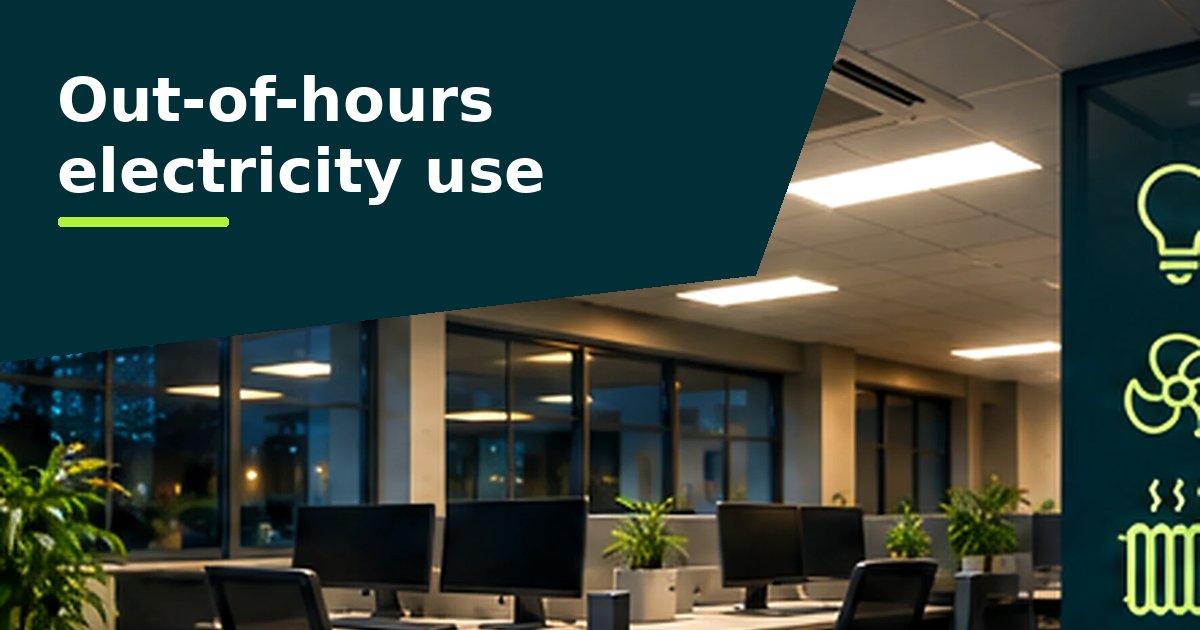
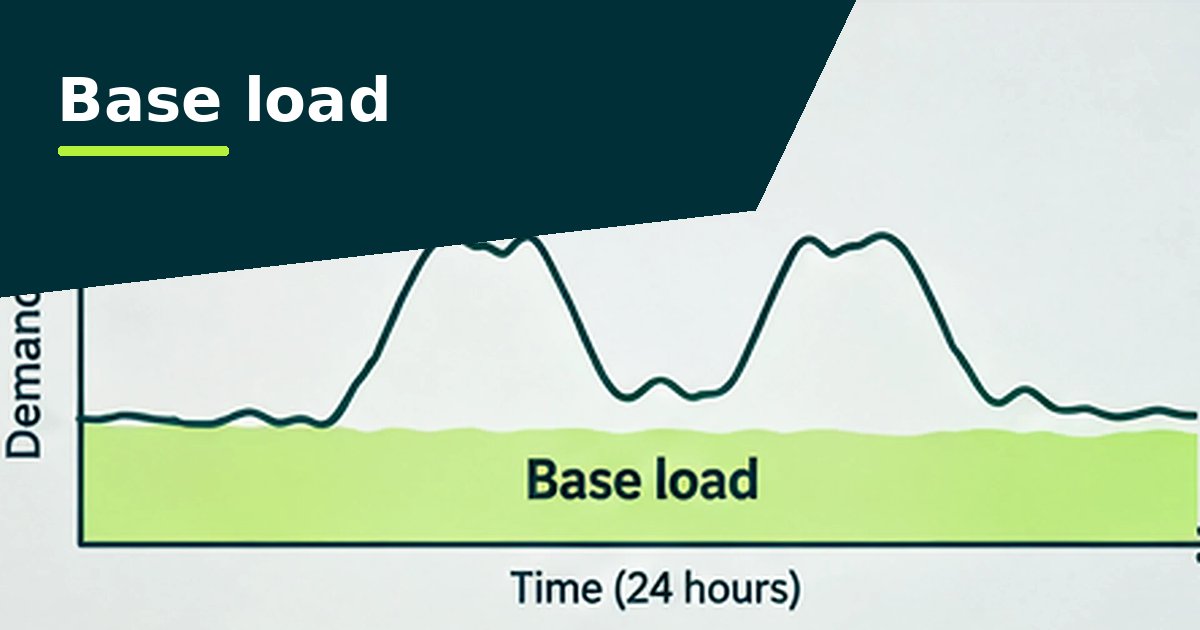
You should see a clear weekday pattern, with demand falling to the base load in the evening and at weekends. Hybrid working has made many offices quieter on Mondays and Fridays, but heating, ventilation and lighting often still run as if every desk were full.

What to check first
- Air handling and cooling running all night or all weekend
- Heating or cooling starting well before staff arrive
- Whole floors lit for a cleaner or one person working late
- Server rooms and comms cupboards with their own cooling
- Council buildings used for evening meetings or elections, which need adding to the calendar
Setting the opening hours
If Mondays and Fridays are quieter, set different hours for each day of the week. Also add bank holidays, which many building schedules miss.
Use these as a starting point. Each site is compared with its own calendar, so getting the hours right matters more than the type of building.
How does your building compare?
To see whether a site's total use is high for its type, compare its kWh per square metre with the government survey ranges in our electricity benchmarks by sector. Then use the half-hourly pattern to find out why. Questions about the analyser itself are answered in the FAQ.
Thinking about solar panels? The analyser's Capacity tab shows how much of a system's output a building like this would use itself, and the UK Solar Calculator works out the cost and payback. See sizing solar from half-hourly data.
Questions people ask
Why does our office use so much at weekends?
Usually heating, ventilation or cooling running to the wrong schedule, or a weekend activity using the whole building. The breakdown by type of day shows which.
Has hybrid working changed what to look for?
Yes. Compare quiet weekdays with busy ones. If demand barely changes, equipment is running to a full-occupancy schedule.