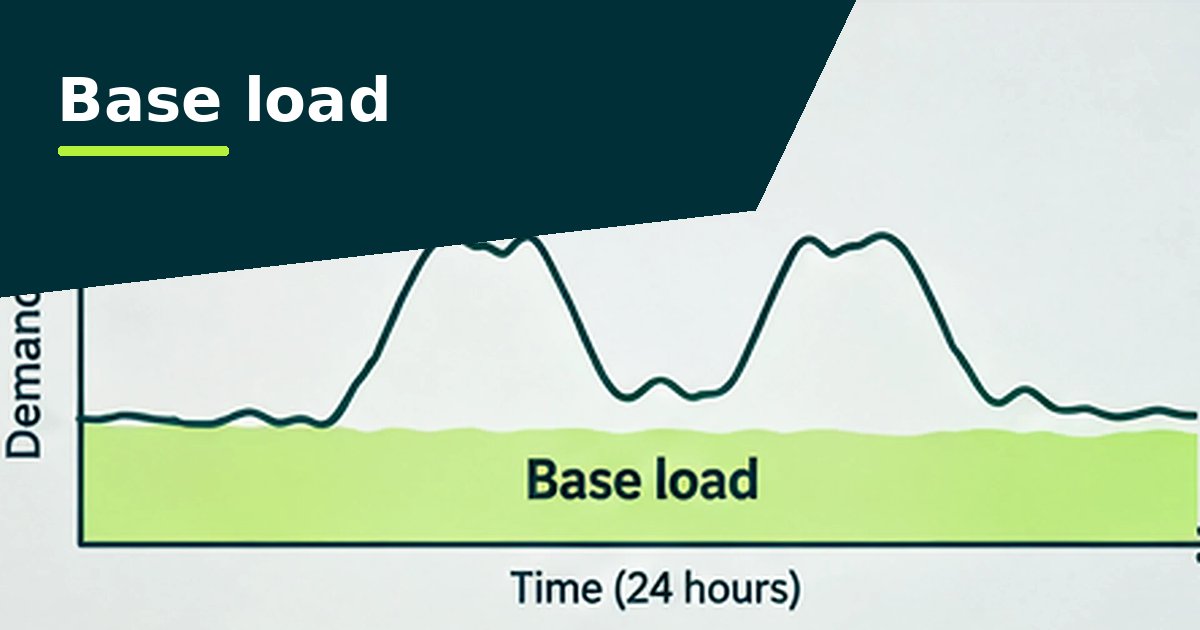
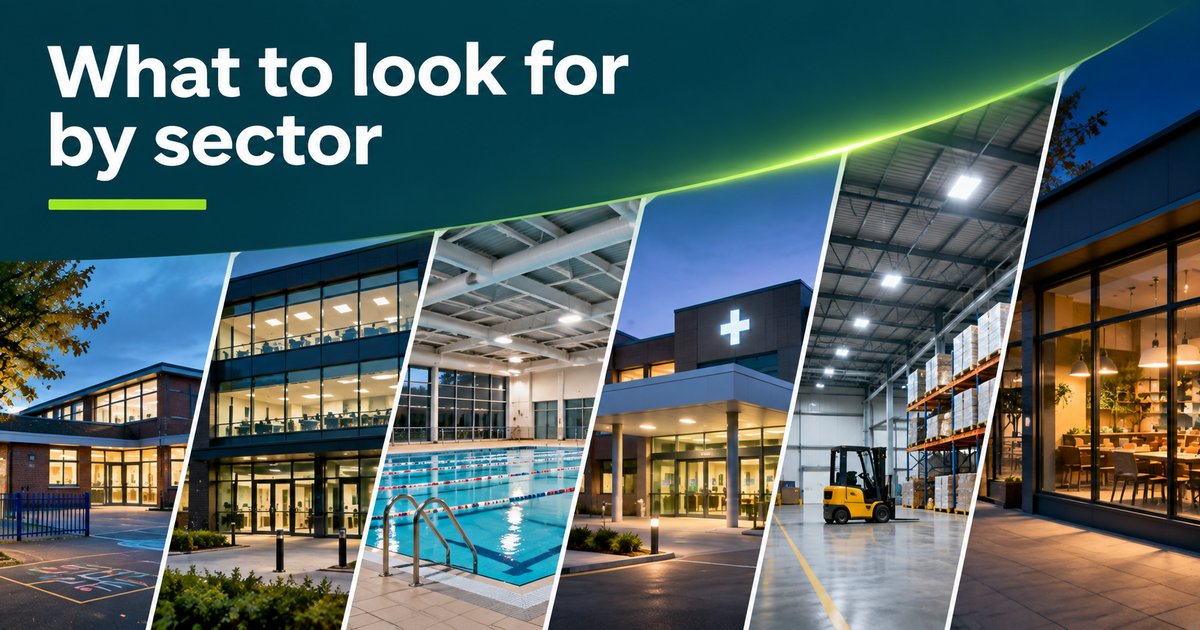
Demand follows trading hours, with some use for preparation before opening and cleaning after closing. In food retail and hospitality, refrigeration means a high base load.
What to check first
- Fridges and display cases without night blinds or covers
- Signs and display lighting on timers that run all night
- Kitchen extraction and equipment switched on long before service
- Heating and cooling still on an old schedule after trading hours changed
- Seasonal hours that were never updated in the building controls
Setting the opening hours
Include preparation and cleaning time in the opening hours, so the out-of-hours figure only shows use that could be avoided.
Use these as a starting point. Each site is compared with its own calendar, so getting the hours right matters more than the type of building.
How does your building compare?
To see whether a site's total use is high for its type, compare its kWh per square metre with the government survey ranges in our electricity benchmarks by sector. Then use the half-hourly pattern to find out why. Questions about the analyser itself are answered in the FAQ.
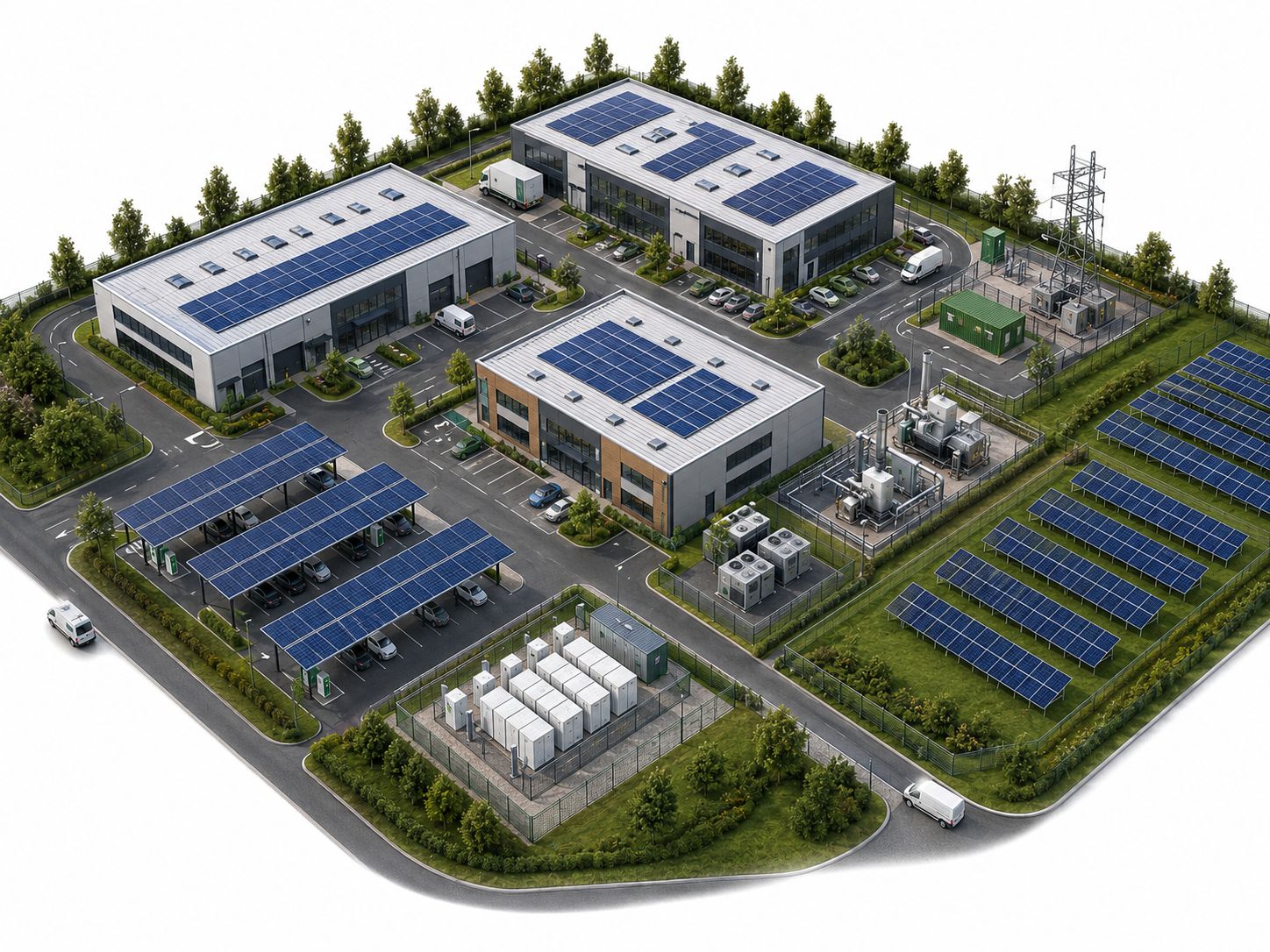
Thinking about solar panels? The analyser's Capacity tab shows how much of a system's output a building like this would use itself, and the UK Solar Calculator works out the cost and payback. See sizing solar from half-hourly data.
Questions people ask
Why is our base load so high?
In food retail and hospitality it's mostly refrigeration. Check night blinds, door seals and temperature settings first.
How do I compare several shops or venues?
Load one file for each meter. The analyser ranks sites by closed-hours excess and lets you compare your estate by building type.